
Active vs. Passive Harmonic Filter: The Ultimate Engineering Selection Guide

September 16, 2026 | By Chris Wang

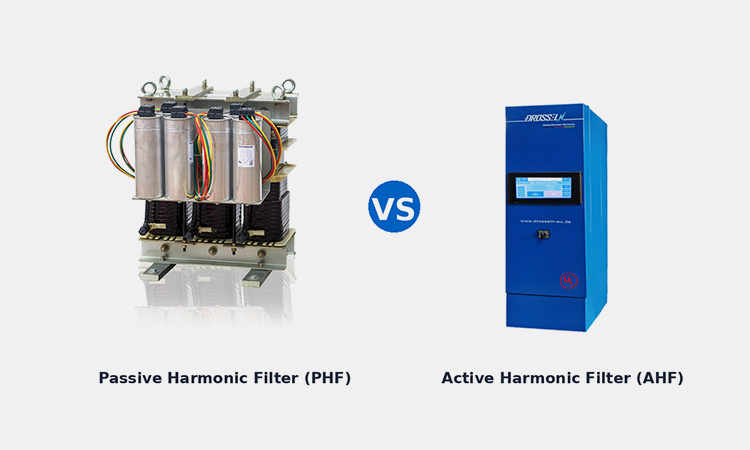
Passive vs Active Harmonic Filter comparison manufactured by LTECPower

If you run an industrial plant with variable frequency drives (VFDs), motors, or heavy machinery, you’ve probably heard of harmonics.

In simple terms, harmonics are like “garbage signals” or electrical pollution in your power system. They are generated by non-linear loads like inverters and rectifiers. If left untreated, this pollution can cause transformers to overheat, trip circuit breakers unexpectedly, and even result in hefty penalties from your local utility for failing to meet standards like IEEE-519.

To clean up this mess, engineers usually turn to two main solutions: Passive Harmonic Filters (PHF) and Active Harmonic Filters (AHF).

But what is the actual difference between them?

Why is one much cheaper while the other is like a high-tech computer?

And most importantly, which one fits your specific facility without wasting your budget?

In this straightforward guide, we will break down how both filters work, compare their pros and cons in plain English, and help you choose the right solution for your power system.

1. How Do Passive vs. Active Harmonic Filters Work?


Before deciding which filter to buy, it helps to understand how they actually clean up electrical pollution. Think of it like purifying water: a passive filter is like a physical strainer, while an active filter is like a smart purification system.
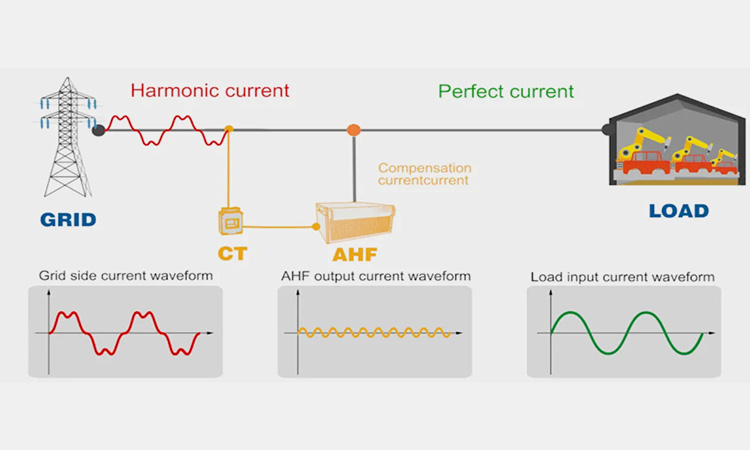
System architecture and working diagram of active harmonic filter-sourced: shopcdnpro
System architecture and working diagram of active harmonic filter-source: shopcdnpro

Passive Harmonic Filters (PHF): The “Physical Trap” Approach
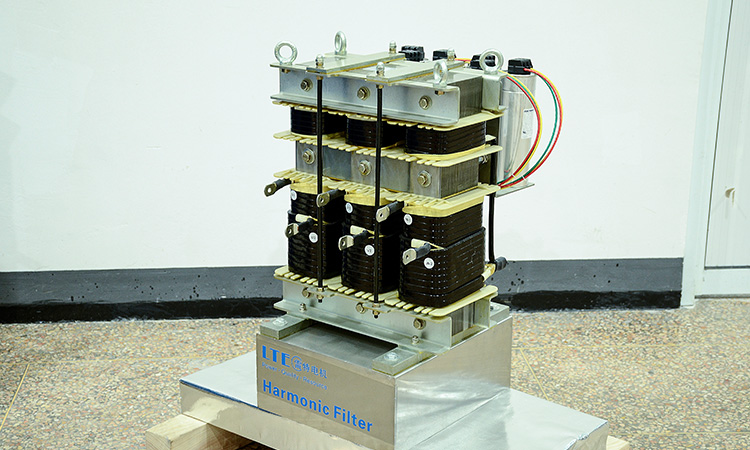
Industrial passive harmonic filter manufactured by LTECPower featuring high-quality reactors and capacitors

A passive harmonic filter uses traditional electrical components: inductors (reactors) and capacitors.  

How it works: It is tuned to target specific “garbage” frequencies (like the 5th or 7th harmonic). It creates a dedicated, low-resistance path (like a trap) to catch these specific harmonic currents and suck them away from your main power grid.

The Analogy: Imagine a water drain with a specific grid size that only lets certain-sized leaves fall through, while blocking the rest. It is a fixed, mechanical-style setup—simple, robust, and reliable.

Active Harmonic Filters (AHF): Real-Time Dynamic Harmonic Mitigation
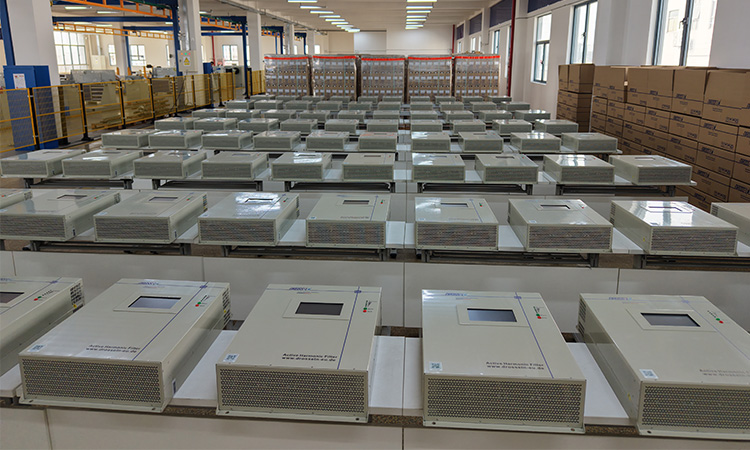
Mass production of active harmonic filters in LTECPower modern manufacturing facility

An active harmonic filter is much smarter and uses modern power electronics (like high-speed computer chips and digital processors, similar to smart inverters).

How it works: It constantly measures the electrical current in real time. When it detects harmonic pollution coming from your loads, it instantly generates an exact opposite “anti-noise” current and injects it back into the grid.

The Analogy: This is identical to how noise-canceling headphones work. When outside noise comes in, the headphones create an equal and opposite sound wave to wipe it out completely, leaving you with silence. An AHF does the same thing for electrical currents, adjusting itself instantly as your factory load changes.

2. Passive vs. Active Harmonic Filter: Technical & Cost Comparison

When you are trying to decide which filter to install in your electrical panel, it usually comes down to cost, load conditions, and complexity. Here is how they stack up side by side:


Passive Harmonic Filter (PHF)

Active Harmonic Filter (AHF)

How it targets harmonics

Fixed tuning (targets specific frequencies like 5th & 7th)

Full-spectrum filtering (cleans up 2nd to 50th orders dynamically)  

Load adaptability

Best for stable, heavy industrial loads (like fixed-speed motors or pumps)

Best for fluctuating, complex loads (like data centers, variable frequency drives, and mixed commercial plants)

Initial Cost (CapEx)

More budget-friendly and cost-effective for single-machine setups

Higher initial investment due to advanced electronic components

Energy Efficiency

High efficiency (typically >98% at full load)

Very low active power loss (usually <2.5%)  

Risk of Resonance

Low risk if properly designed, but requires care with system impedance

Zero risk of system resonance (doesn’t rely on fixed LC circuits)

When should you choose a Passive Harmonic Filter (PHF)?

Your factory runs steady, heavy-duty machinery (such as large industrial pumps, fans, or dedicated VFD-driven equipment) that operates at a constant load.

You need a reliable, rugged solution to meet standards like IEEE-519 without overcomplicating your system.  

You want a high-efficiency solution with a lower initial budget.

When should you choose an Active Harmonic Filter (AHF)?

Your facility has multiple changing loads that ramp up and down unpredictably throughout the day (common in modern manufacturing lines, commercial buildings, or EV charging stations).

You need to clean up a wide variety of harmonic frequencies at the same time (from the 2nd all the way to the 50th order).  

Your system also struggles with power factor issues or unbalanced three-phase loads, which an AHF can fix simultaneously.  

3. Industrial Application Scenarios: When to Use Passive vs. Active Harmonic Filters

Theory and comparison tables are helpful, but how do you actually decide on the factory floor? Different industrial environments create different types of electrical pollution. Here is how to match the right filter to your specific application:

Choose a Passive Harmonic Filter (PHF) if your plant features:
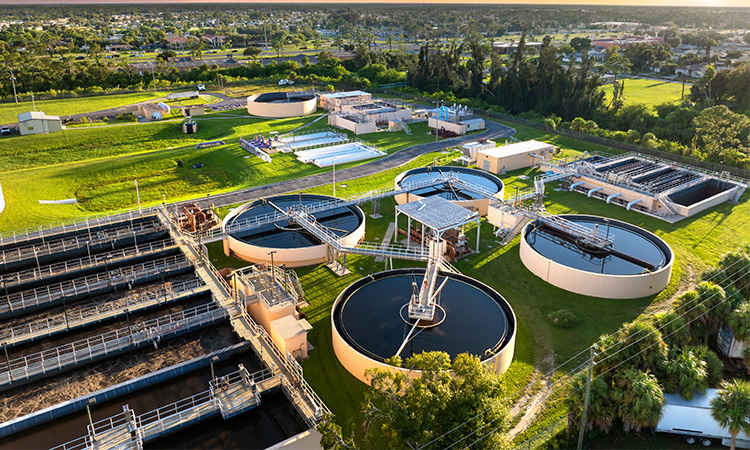
Municipal water and wastewater treatment plant infrastructure utilizing passive harmonic filters

Heavy-Duty, Constant-Speed Machinery: Facilities running large industrial pumps, ventilation fans, or compressors where motors operate at a steady, heavy load for long hours.  

Single Large VFD-Driven Systems: Heavy manufacturing lines utilizing dedicated, high-power variable frequency drives where the load profile remains relatively stable.

  The Goal: You need a rugged, high-efficiency solution (often exceeding 95% efficiency) that reliably pulls THDi down to target levels without requiring complex digital controls.  

Choose an Active Harmonic Filter (AHF) if your plant features:
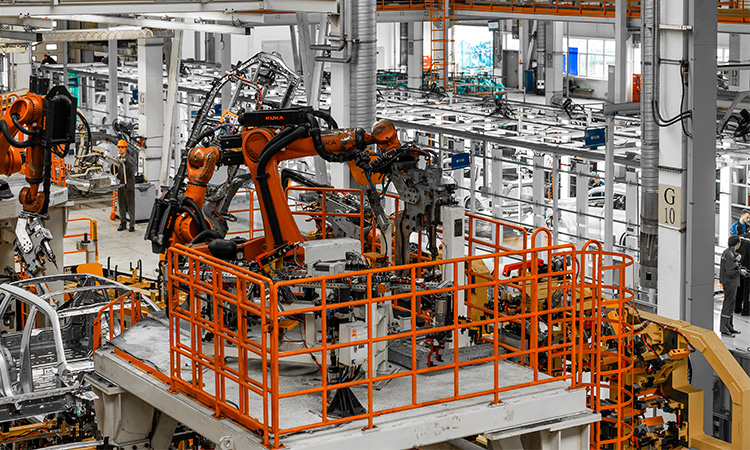
Modern automated manufacturing plant with robotic assembly lines suited for active harmonic filters

 Rapidly Fluctuating, Mixed Loads: Modern manufacturing lines, automotive plants, or automated warehousing where dozens of drives ramp up, slow down, and switch on and off unpredictably.

Sensitive IT & Commercial Infrastructure: Modern data centers, semiconductor cleanrooms, or commercial office complexes where a wide spectrum of harmonic frequencies (from the 2nd to the 50th order) must be wiped out instantly.  

Complex Power Quality Issues: Facilities struggling not just with harmonics, but also with lagging power factors and severe three-phase current unbalances that require a simultaneous, multi-functional fix.  

4. Active vs. Passive Harmonic Filters: Which One Saves You More Money?

When presenting a filter project to plant management or the finance department, the conversation always shifts from pure engineering performance to money: What is the upfront cost, and when does it pay for itself?
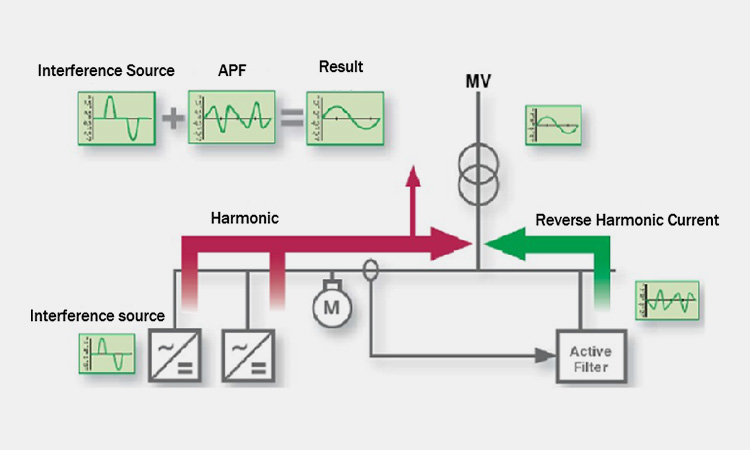
Working principle diagram of active harmonic filter-sourced: ytelect
Working principle diagram of active harmonic filter- source: ytelect

Initial Investment:

Passive Filters (PHF) generally have a lower initial equipment cost and are very economical for single, fixed-load applications.

Active Filters (AHF) require a higher upfront investment because they pack advanced high-speed semiconductor components (like IGBTs) and smart digital controllers.  

Long-Term Operating Costs & Savings:

Energy Losses: High-quality passive filters boast a full-load efficiency of over 95%, meaning very little energy is wasted as heat. Active filters also maintain low active power losses (typically under 2.5%), but their electronics require reliable cooling fans, which consume a small amount of auxiliary power.  

Avoiding Utility Penalties: If your local utility company measures your power quality and finds you non-compliant with standards like IEEE-519, you risk recurring financial penalties. Installing the correct filter eliminates these fines almost overnight.  

Preventing Catastrophic Failures: Unfiltered harmonics cause transformers to overheat, cables to degrade prematurely, and sensitive production lines to suffer from nuisance tripping. Preventing just one major factory shutdown or transformer replacement due to harmonic stress can completely pay off the cost of a high-performance filter system within its first year of operation.

5. Why Passive Filters Fail: Understanding and Preventing Harmonic Amplification

While Passive Harmonic Filters (PHFs) are robust and cost-effective, they come with one major engineering trap that many standard blogs forget to mention: System Resonance.
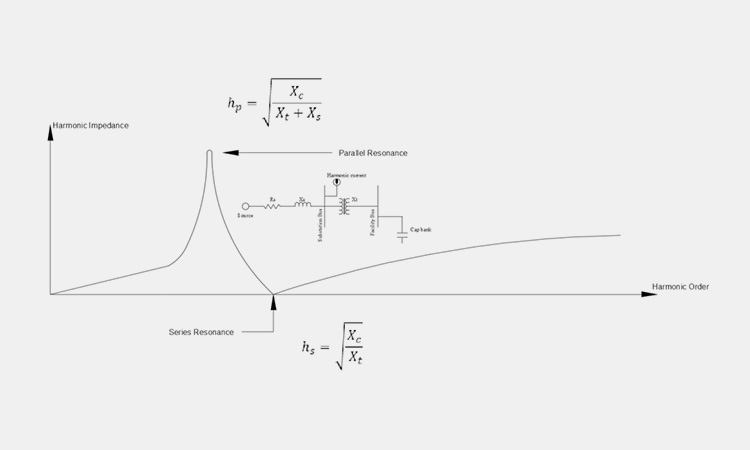
Harmonic impedance curve diagram-sourced: voltage-disturbance
Harmonic impedance curve diagram- source: voltage-disturbance

The Problem: A passive filter uses capacitors to tune its frequency. If your facility later adds standard power factor correction capacitors, or if the overall grid impedance changes, the filter’s capacitors can interact unpredictably with the system’s inductance.

The Consequence: Instead of cleaning up harmonics, this interaction can trigger a parallel resonance, actually amplifying the harmonic currents and overheating your system.

How to Avoid It: Always ensure your supplier or manufacturer calculates the exact system impedance and uses proper detuning factors (such as 7% or 14% reactors) to guarantee that no unwanted resonance occurs.
6. Meeting IEEE-519 Standards: What Are the Target Harmonic Limits?

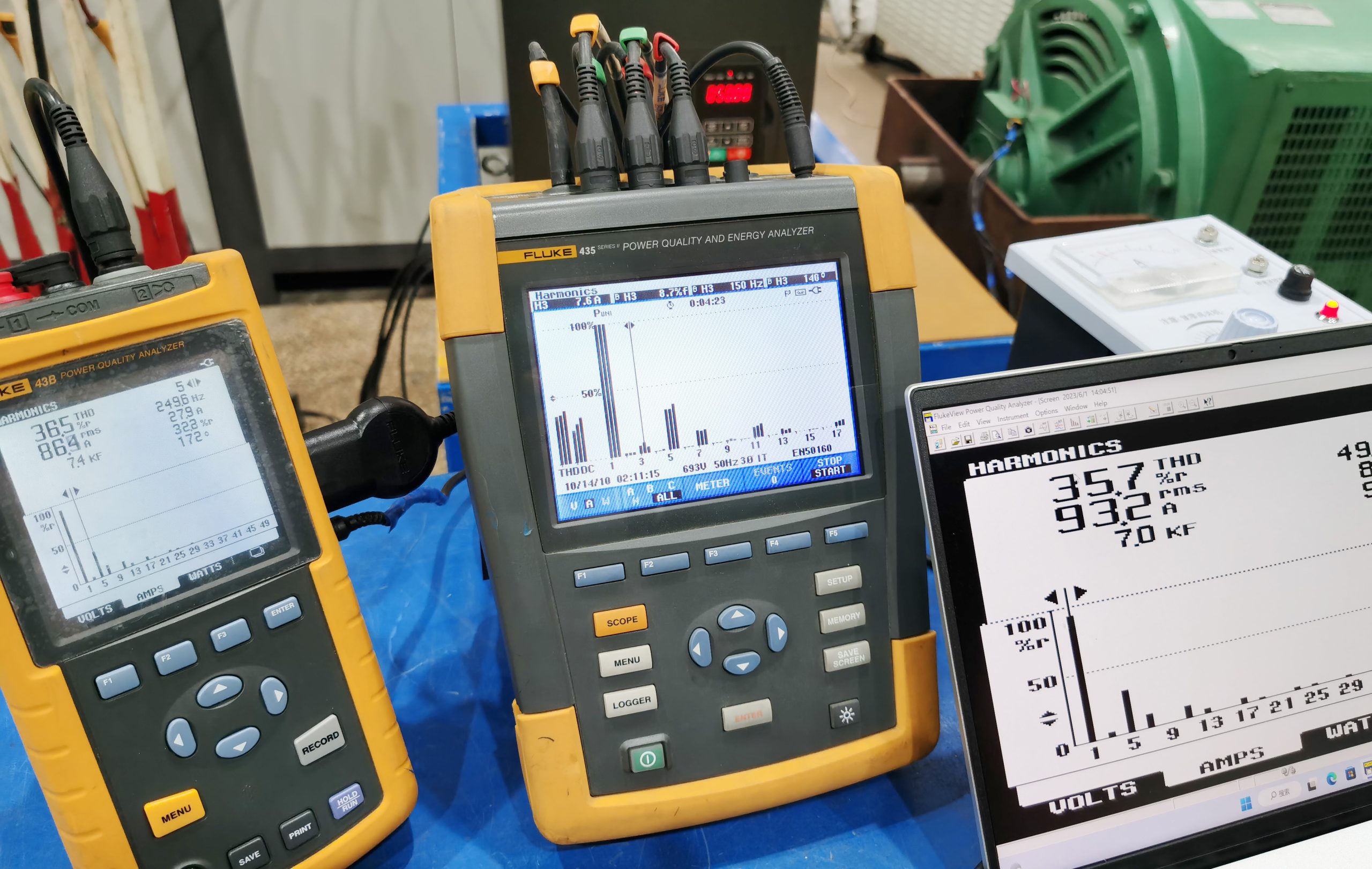
Industrial testing of harmonic filters using Fluke power quality analyzer by LTECPower

Most industrial plants don’t install harmonic filters just for fun—they do it because they are forced to comply with strict international power quality standards, most notably IEEE-519 and IEC 61000.  

When looking at your power reports, keep these key performance benchmarks in mind:

THDi (Total Harmonic Current Distortion): For general industrial applications, your goal is typically to bring THDi down to under 5% at full load. Some specialized systems or sensitive environments (like hospitals or airports) may even demand tighter controls.  

Efficiency: High-performance passive filters should achieve an operating efficiency of over 95% (often exceeding 98% at full load) so that the filter itself doesn’t become a source of major energy loss.  

Dynamic Response: If you choose an active solution (AHF), look for a full response time of under 10 milliseconds to ensure it can instantly track and cancel out rapid load fluctuations.  
7. Beyond the Specs: Why Build Quality Matters for Harmonic Filters

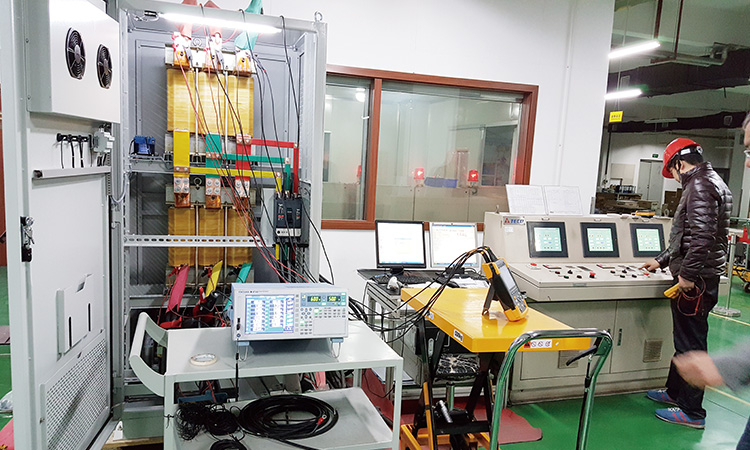
Rigorous in-house factory testing and quality control for harmonic filters at LTECPower manufacturing facility

When looking at data sheets, many active and passive filters might look similar on paper. However, in harsh industrial environments, reliability is everything.

Electrical pollution, continuous heat, and electromagnetic vibrations can quickly degrade low-quality reactors and transformers. That is why manufacturing standards dictate how long your investment will last:

Advanced VPI (Vacuum Pressure Impregnation) Processing: High-end reactors and filter components use automated VPI systems with UL-approved resins. This eliminates microscopic air pockets inside the coils, ensuring superior insulation, higher resistance to voltage stress, and a significantly longer operational lifespan.  

Rigorous Testing & Certification: Look for products backed by international standards like UL 1446, IEC 60076-6, and rigorous in-house factory testing (such as thermal imaging and partial discharge tests) to ensure they can handle heavy industrial abuse without unexpected failures.  

Conclusion: Making Your Final Choice

Choosing between a passive and an active harmonic filter comes down to your facility’s specific DNA:

Choose a Passive Harmonic Filter (PHF) if you want a rugged, highly efficient, and cost-effective solution for steady, heavy-duty industrial machinery.  

Choose an Active Harmonic Filter (AHF) if your facility deals with dynamic, fast-changing loads that require intelligent, real-time, full-spectrum compensation.  

Need Help Designing Your Harmonic Solution? Every industrial power grid is unique. If you are struggling with IEEE-519 compliance, equipment overheating, or trying to figure out the right filter configuration for your plant, our engineering team is here to help. Contact LTECPower today to get a custom-tailored power quality assessment and engineering support backed by decades of global manufacturing experience.  

Frequently Asked Questions (FAQs)

Can passive and active harmonic filters be used together?

Yes, absolutely. 

In large industrial facilities with severe harmonic pollution, engineers often use a hybrid system. An active filter (AHF) handles fast-changing, dynamic loads at the front end, while heavy-duty passive filters or detuned reactors manage the large, steady base-load machinery. 

This hybrid approach optimizes both performance and initial budget.

Ignoring harmonic pollution leads to severe hidden costs. Over time, harmonic currents cause transformers and cables to overheat, trigger nuisance tripping on circuit breakers, and degrade the lifespan of sensitive electronic components.

Furthermore, many utility companies monitor power quality and will issue financial penalties if your facility fails to comply with standards like IEEE-519.  

The lifespan depends heavily on build quality and operating conditions. High-performance passive filters built with robust magnetic cores and advanced VPI (Vacuum Pressure Impregnation) manufacturing processes can operate reliably for over 150,000 hours in harsh industrial environments, requiring very little ongoing maintenance.

Yes, in a positive way! 

While cleaning up specific harmonic frequencies, passive harmonic filter configurations (which typically combine reactors and capacitors) also supply reactive power, helping to improve your overall system power factor to typically above 0.95 under full load.  

Generally, passive harmonic filters are maintenance-free because they have no active electronic components, though a yearly check of terminal tightness is recommended. 

Active harmonic filters (AHFs) require occasional cleaning of air filters and cooling fans since they use forced-air cooling for power electronics.  

Yes. Modern active filters (APFs/AHFs) are multifunctional. Beyond cleaning up complex harmonics from the 2nd to 50th order, they can also provide dynamic reactive power compensation (acting like a Static Var Generator) and correct three-phase current unbalance simultaneously.  

Sizing depends on your total non-linear load (such as the total kW or kVA rating of your variable frequency drives) and the measured Total Harmonic Distortion (THDi). 

Engineers typically use power analyzer logs to capture baseline data before selecting either a matching passive filter rating or the correct AHF amp rating (e.g., 50A, 100A, 200A modules). 

Standard industrial filters are typically designed for ambient temperatures up to $+50^\circ\text{C}$ and elevations up to 1,000 meters. 

If your facility operates in extreme heat or high altitudes, equipment must be derated, or you should request customized manufacturing specifications from your supplier. 

Keep Learning

What Are Power Harmonics? Causes, Effects & Mitigation Guide

Struggling with transformer overheating or power quality issues? Discover the root causes of electrical harmonics, how non-linear loads distort waveforms, and explore advanced mitigation solutions—including active filters, detuned reactors, and VPI-insulated transformers—to protect your industrial infrastructure.

Leave a Reply

Your email address will not be published. Required fields are marked *