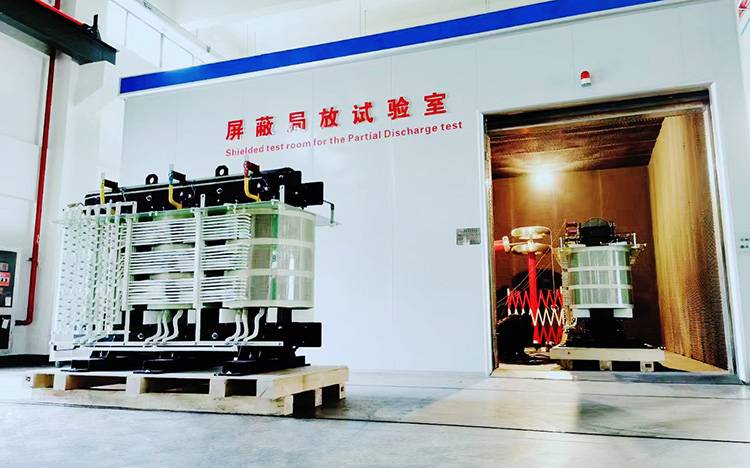
Why does dielectric testing matter for dry-type transformers?
A power transformer is the heart of your facility. If there is an internal insulation failure, then it may bring plant-wide blackouts, painful production delays, and even risk to your team’s safety.
Why are facilities worldwide switching to dry-type transformers?
Only relying on solid insulation rather than cooling oils, dry-type transformers are safer, cleaner, and require far less upkeep than old oil-filled units. So it is important to maintain their dielectric health.
This guide cuts through the technical details of transformer dielectric testing. These tests prove a dry-type transformer’s true strength and help you make smart, stress-free decisions for your power grid.
Inside the Insulation: How Dry-Type Systems Work
Say Goodbye to Oil
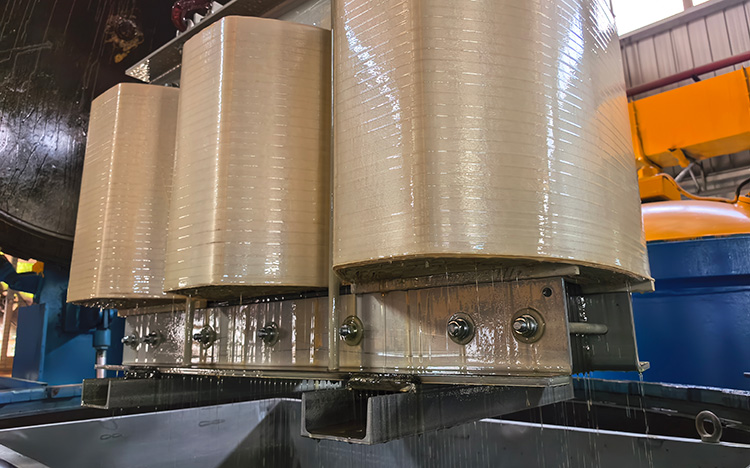
Traditional oil-filled transformers mainly rely on heavy liquids and paper as the insulation system. It may bring severe fire hazards. However, using a powerful solid insulation setup, such as robust epoxy resin casting, premium Nomex paper, and carefully engineered air clearances, dry-type transformers can keep things clean and safe.
The Real-World Stress
Every day, the transformer may endure heat, mechanical vibrations, and sudden voltage surges. If there are any flaws hidden inside the insulation structure, then it’s only a matter of time before things break down.
The Built-In Protection
Using advanced Vacuum Pressure Impregnation (VPI) and precise epoxy casting, our dry-type transformers can squeeze out every last microscopic air pocket from the windings. In the end, your transformer is built with a dense, rock-solid insulation shield. It can completely shut down electrical stress.
Read out more about the detailed breakdown of Transformer Impregnation vs. Encapsulation.
There are three essential quality tests for dry-type transformers.
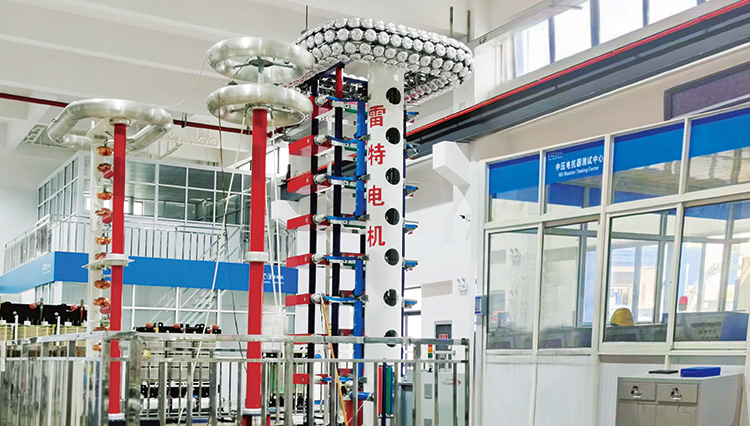
The Hi-Pot (Applied Potential) Test
As the ultimate stress test, the Hi-Pot test is the outer defense check. By applying a high-frequency voltage between the transformer’s windings and the grounded frame, the Hi-Pot test proves whether the transformer insulation can handle nasty power surges without a single flashover or puncture. For a deeper dive into these dielectric limits, check out our guide on BIL Definition in Transformers.
The Induced Overvoltage Test
Unlike Hi-Pot test checking the outside boundaries, the induced test checks the inner coil workout. By pushing internal windings to their absolute limits and boosting the voltage and frequency, the induced tests force layer-to-layer spaces to endure intense electromagnetic pressure. So you can make sure whethere there are no hidden weak links inside.
Partial Discharge (PD) Test
As the transformer’s ultimate exam, the partial discharge test is the most critical quality gate for 10kV and 35kV medium-voltage transformers. If the tiny, invisible air pockets or micro-cracks hide inside the epoxy resin, then the high electric fields will eat away at the insulation over time. By keeping PD levels strictly controlled, we can guarantee you a 00% void-free, rock-solid core for continuous worry-free operation.
After transformers withstand tests proving their initial structural integrity. However, ongoing operational reliability mainly relies on routine diagnostic evaluations. To keep your dry-type transformers at their best performance, here are the core maintenance and insulation health checks.

Insulation Resistance (IR) / Megger Testing
By using high DC voltage (typically 1,000V to 2,500V) to measure the resistance between windings and ground, insulation resistance testing can quickly flag surface dust, moisture, or any unexpected contamination before it turns into a real headache.
Dissipation Factor ($\tan(\delta)$) / Power Factor (PF) Testing
While Megger checks the surface, the Power Factor (PF) testing proves the solid insulation’s energy losses. To assess asset health, the Power Factor (PF) testing measures the dielectric losses of the solid insulation system. If the numbers start creeping up, then it indicates that the thermal insulation is aging, and moisture is hiding inside the resin matrix. It gives you a clear picture of the transformer’s true health condition.
The Temperature Factor
Temperature always changes insulation resistance and dielectric loss. To ensure data accuracy and meaningful results, recording and compensating for the exact winding temperature during testing is mandatory.
From factory to field: what happens after delivery? Verifying long-term transformer reliability requires precise, quantitative metrics.
Bridging Factory and Site
A Factory Acceptance Test (FAT) is important, but it is not enough. Though your dry-type transformer survives the bumpy road trip, how can you make sure they are securely during on-site installation and commissioning? So before they are installed, you need to perform a quick pre-commissioning check to make sure that there is no hidden damage.
Transit Stress Verification
Long-distance shipping and rugged roads may subject your dry-type transformers to severe mechanical vibrations. These shocks create micro-fractures in epoxy resin castings. So they can loosen the internal terminal connections. It is better for you to take a few minutes right after installation to run a simple insulation check and a visual once-over.
After your transformers have successfully passed their initial on-site checks, how can you maintain their daily operational life? To ensure long-term reliability, you need to understand what continuously threatens your insulation over time. The root causes of insulation breakdown are:
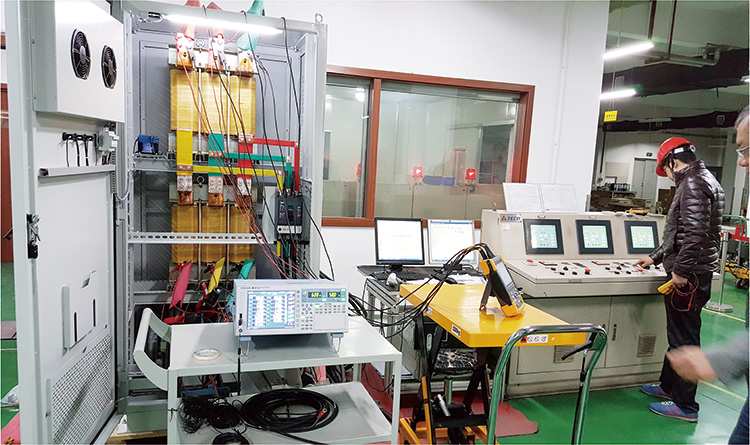
Dust & Humidity
Unlike oil-filled transformers totally sealed and isolated, dry-type transformers need to “breathe” ambient air. However, heavy industrial dust, thick humidity, and airborne pollutants tend to settle on the coil surfaces over time. After long-term operation, they may ruin the insulation’s safe creepage distance.
Thermal-Mechanical Aging
During operation, inside the transformer, the insulation may get hot and cold over and over again due to thermal stress. If your transformer cycles through heavy loads, its windings may expand and contract accordingly. Over years, the solid insulation may get wear and tear from this natural thermal-mechanical stress.
Sudden Surges
Although dry-type transformers are robust and tough enough. They are not unbeatable. Once they face unmitigated lightning strikes or severe switching surges, the massive spikes will smash and crash the entire system down. So that’s why the proper surge arrester is your best friend.
The harsh environment, contamination, and transient surges threaten insulation life. So how to protect your dry-type transformers? The answers are below:
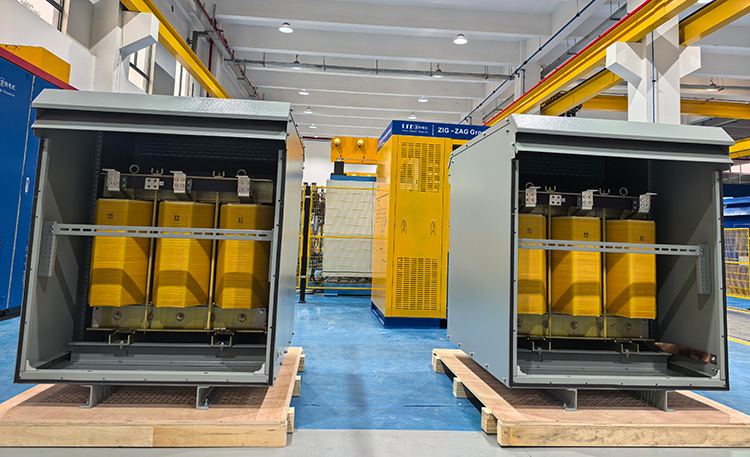
Surface vs. Bulk Insulation
The solid epoxy casting and advanced VPI determine the insulation strength. And the surface reliability depends heavily on physical creepage distances. If the physical path along the surface is long enough, then it is safer for your transformer to keep electricity from tracking in dusty or wet places.
The Role of Enclosures (IP20 to IP54)
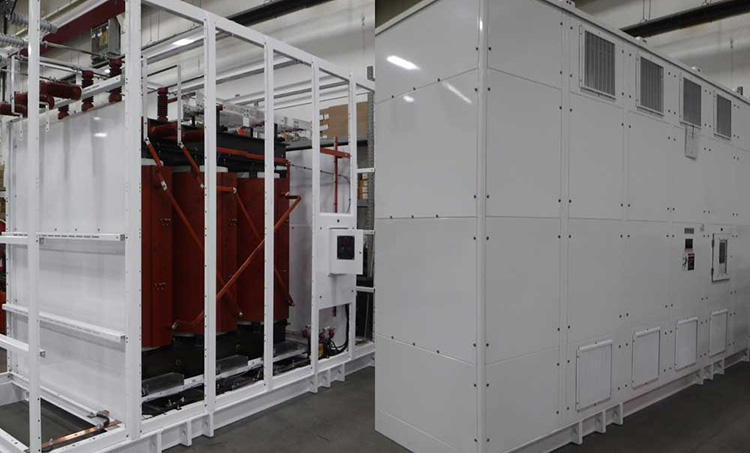
To protect transformers from harsh environments, you can keep them in specialized protective enclosures. For example, an IP20 enclosure is mainly designed for clean indoor electrical rooms. IP 31, IP42, or IP54 enclosures are engineered for outdoor or harsh industrial medium-voltage dry-type transformers. They can help shield against moisture and dust without damaging the transformer’s internal thermal dissipation.
Helping transformers from dust, moisture, and harsh weather is important, but the most critical step is to align with international standards.
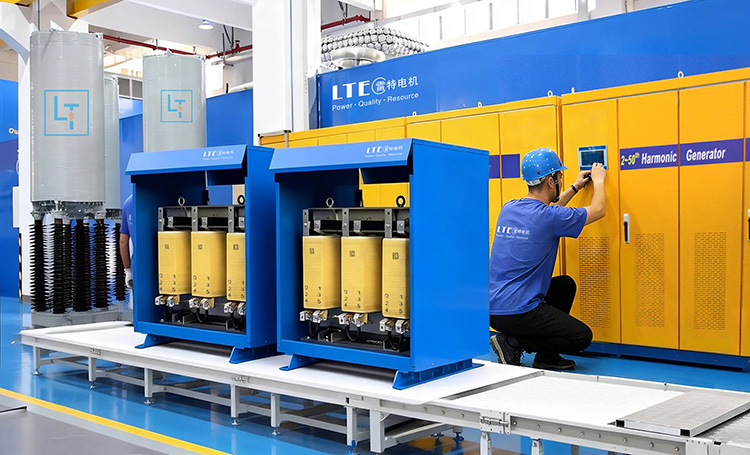
IEC vs. IEEE
There are two different global procurement by different regional playbooks. IEC 60076-11 is the international standard for dry-type transformers. But North Americans follow the IEEE C57.12.01 standard. So figuring out the right guidebook for your application is the first step to success.
Global Market Acceptance
Both IEC and IEEE demand tough dielectric and partial discharge tests. However, their specific test voltage levels and duration formulas differ slightly. By learning about those standards and becoming fully compliant and certified to them, you will get customs clearance, regulatory sign-off, and long-term project viability worldwide.
Knowing the standards is just the first step. Making sure your equipment is really what you need and compliant is key. Before delivery, you need to learn to review your factory reports. Here are some practical checks.
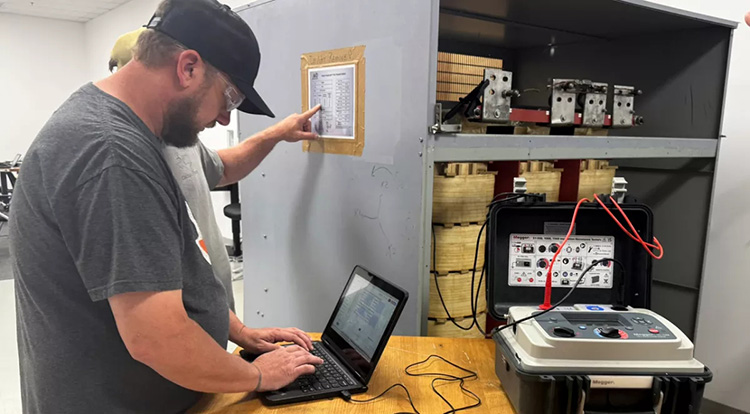
Don’t Just Sign on the Factory Acceptance Test (FAT) Report
After receiving the Factory Acceptance Test report before transformer delivery from your manufacturer, do not sign it immediately. Work together with your engineers and procurement managers, then carefully cross-examine the specific data sheets.
Red Flags in Testing
Watch out for lazy, generalized test certificates. If the serial numbers or ambient temperatures are missing in the reports, or the partial discharge levels are dangerously close to the limits, then hold it and pause. Return it to your manufacturer and make every single part pass and be fully certified.
Sourcing for Zero-Failure Operations
Never choose the cheaper transformers. Because it will fail soon. What you need is a manufacturer that always enforces 100% full-item dielectric screening and rigorous VPI processing. This is your ultimate safeguard for the project’s budget and reputation.