
- Home
- >
- Electric Reactors
- >
- How the International Building Code (IBC) Affects Electrical Equipment
How the International Building Code (IBC) Affects Electrical Equipment
August 20, 2026 | By Chris Wang

When planning industrial facilities, data centers, or commercial buildings, you may think that the International Building Code (IBC) only covers structural things like walls, roofs, and exits. The National Electrical Code (NEC) is responsible for electrical systems.
However, this is a misunderstanding. The IBC also sets rules for heavy electrical equipment such as dry-type transformers, power capacitor banks, and electric reactors in high-performance industrial plants and commercial infrastructure.
How does the IBC affect electrical equipment? Explore this post and follow the rules; you can keep the facility safe and reliable.
1. Why IBC Chapter 27 Matters for Electrical Systems?

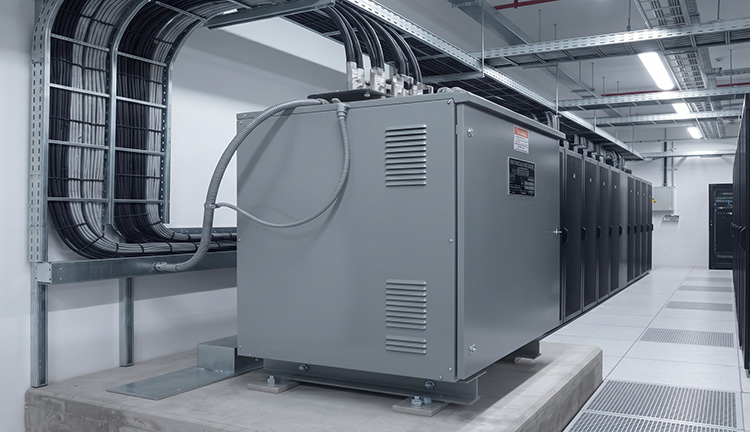
While the NEC (NFPA 70) has detailed the specific wiring, grounding, and operational safety of electrical components, IBC Chapter 27 connects electrical systems to the building itself.
If you fail to meet the IBC requirements when planning heavy equipment like dry-type transformers and electric reactors for the infrastructure, it may lead to:
Inspection Rejections & Delays
If your electrical assets don’t comply with building code requirements, the building inspector will enforce compliance rigorously. So there is no chance for you to get building permits or occupancy certificates. In the end, your projects may be delayed or fail.
Structural and Safety Risks
The structural integration determines how your electrical rooms handle heat, weight distribution, and emergency response clearances. So if you fail to meet them, there may be structural and safety risks.
2. The Challenge: Structural Safety and Heavy Equipment

In the IBC, the electrical equipment is required to be strong and earthquake-resistant. So you need to focus on the seismic design and structural resilience of transformers and reactors.
How is heavy equipment required in the IBC?
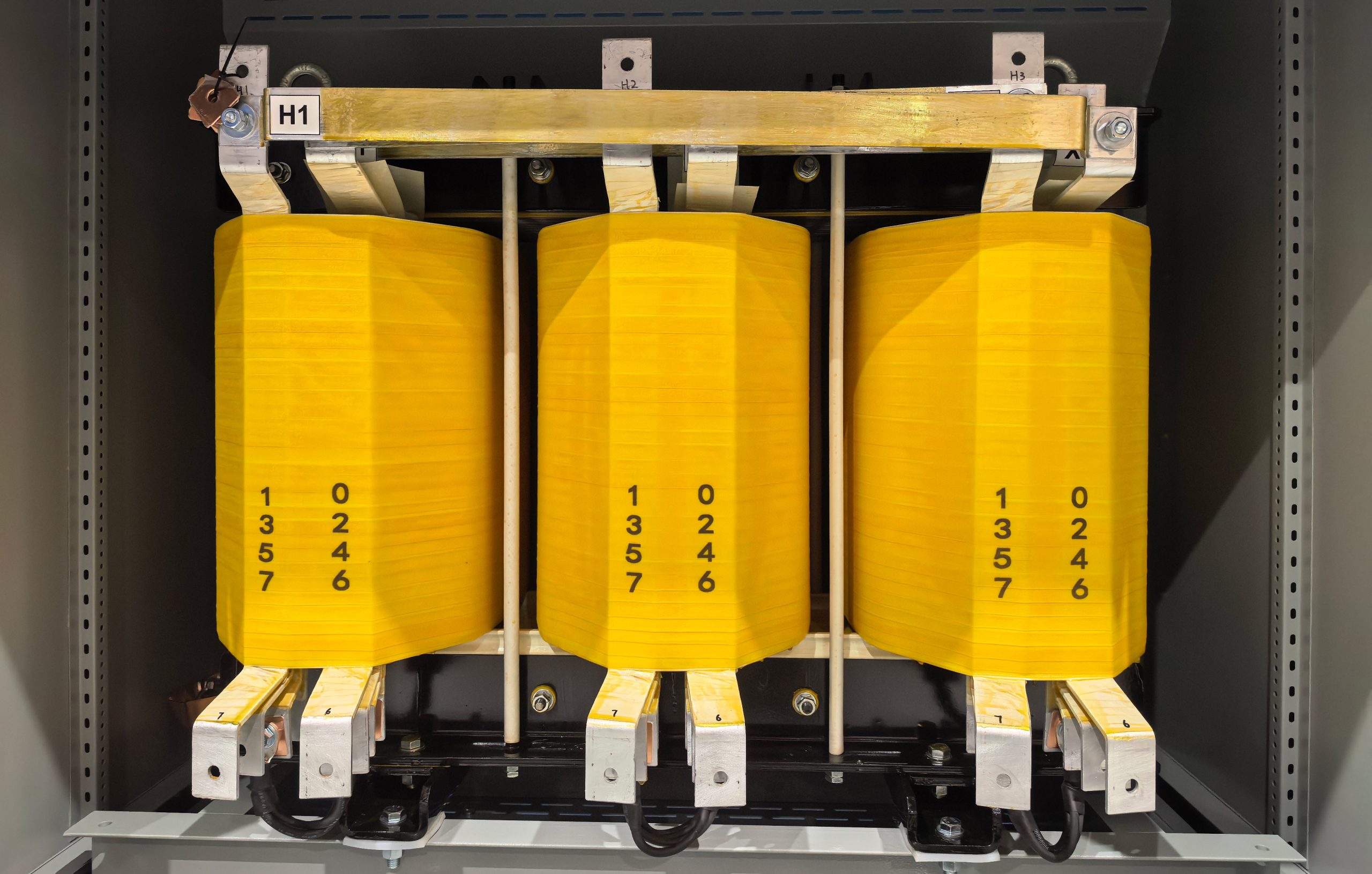
In heavy industrial facilities, equipment such as medium-voltage dry-type transformers and high-capacity current-limiting reactors need to withstand intense lateral and vertical forces during a seismic event or severe mechanical shock. So, in IBC, the heavy units must be securely anchored and structurally intact to prevent busbar shear, internal short circuits, or structural collapse.
Why Manufacturing and Insulation Quality Matter?
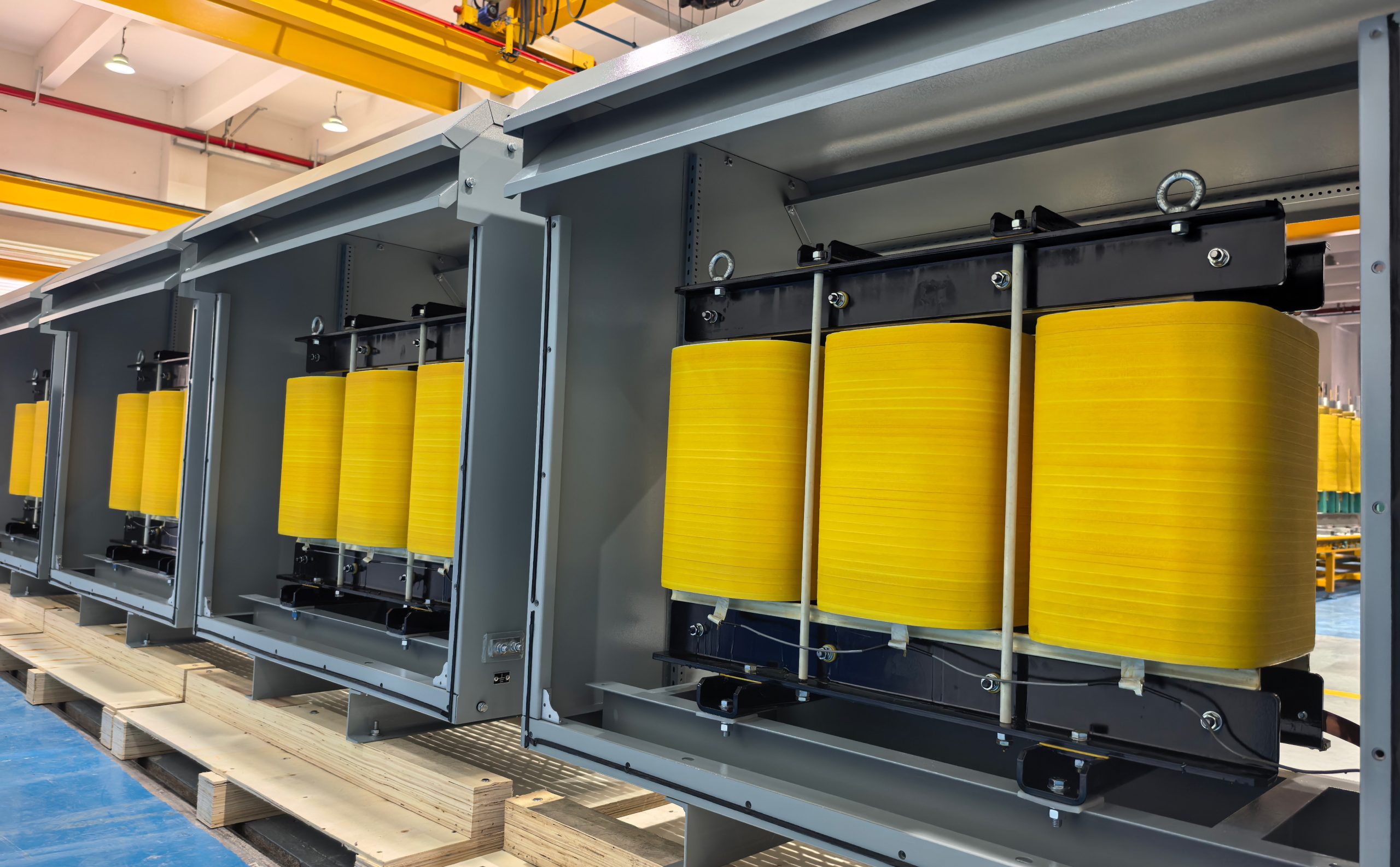
To achieve high seismic withstand ratings, the transformers and reactors cannot use weak frames. It requires:
- Heavy-duty, precision-welded enclosures.
- Advanced Vacuum Pressure Impregnation (VPI) to ensure a firm, solid, mechanically unified, and vibration-resistant structure.
3. Space, Heat, and Safety Rules in Electrical Rooms

Modern architectural codes in the IBC rigorously regulate how electrical rooms are laid out, including working space and escape routes.
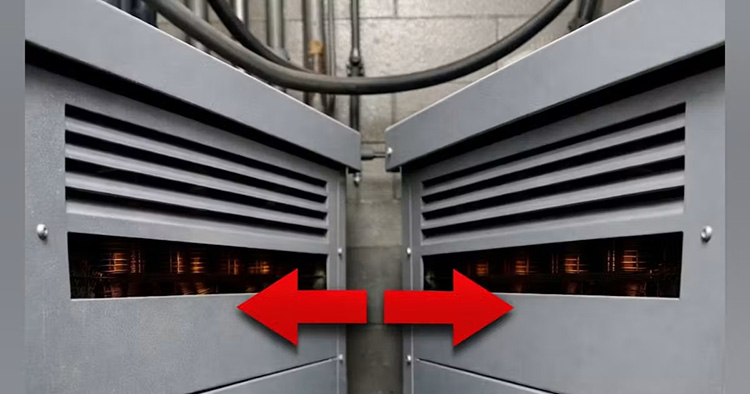
In modern buildings, the space in electrical rooms is very limited. The “Working Space” codes in the IBC and NEC require 3 to 4 feet of clearance in front of electrical equipment. If the equipment is too bulky, buildings will fail the safety inspections.
To help solve this, you may face challenges including:
Space Limits
For maximum power density, equipment needs to be compact. Engineered with small, high-density compact profiles, our dry-type transformers and reactors can fit tight spaces without compromising performance.
Heat Management
Confined space always traps heat. With Vacuum Pressure Impregnation (VPI), our windings can dissipate heat quickly. By preventing overheating in tight enclosures, we can save you money and keep your system safe.
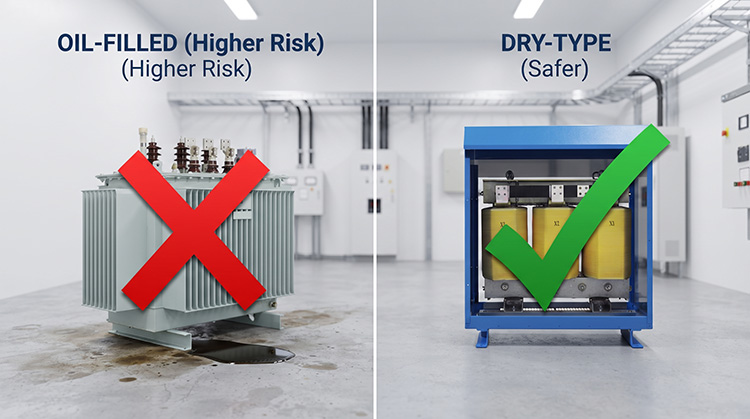
4. Fire Safety: Why Dry-Type Transformers Are Safer

When it comes to building codes, fire safety is the most important one. Under the IBC, choosing traditional oil-filled transformers for your buildings is expensive and dangerous.
The Oil Problem
The oil inside transformers are easy to cause a fire or explosion. So, to prevent fire risks, traditional oil-filled units require expensive firewalls, oil pits, and complex fire suppression systems.
The Dry-Type Solution
To completely prevent fire risks, dry-type transformers change everything. Without any flammable liquid, the IBC allows them to be installed and operated with simpler and cheaper fire protection.
LTECPower’s VPI Advantage
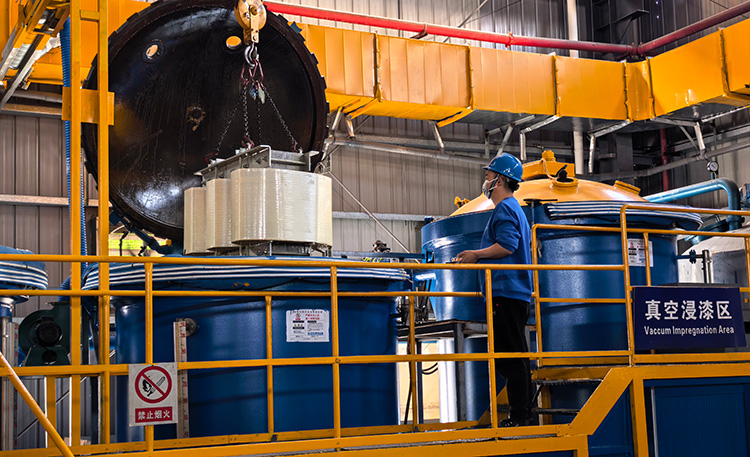
By utilizing Class H or Class R insulation, our dry-type transformer itself is self-extinguishing. It greatly minimizes your costs and keeps your buildings safe and efficient.

5. Meeting Global Standards and Compliance
To meet international building and electrical codes, what you need is an experienced manufacturing partner with engineering skills proven in the real world, not just on paper.
When you are designing critical facilities in heavy industry and power grid sectors, your equipment needs to be strong and safe enough for harsh environments across different countries.
For example, we design and supply heavy-duty 13.8 kV reactors for complex projects such as high-altitude, earthquake-prone areas. By working with industry leaders like General Electric (GE), our custom-engineered dry-type transformers and reactors can pass strict local building code inspections.
Furthermore, to maintain long-term partnerships, we provide critical parts for global leaders like Schneider Electric across more than 60 countries, with international quality, structural safety, and reliability.
Conclusion
Complying with the International Building Code (IBC) and local electrical standards not only protects the building itself; it also keeps your entire power system safe, running, and reliable.
Are you looking for a suitable industrial power system or looking for reliable, custom equipment for your project?
Explore our full lineup of dry-type transformers and iron-core reactors now, or contact our engineering team today to get your custom, code-compliant power solutions for your projects.
FAQs
Does the International Building Code (IBC) apply to electrical equipment like transformers and reactors?
Yes.
The National Electrical Code (NEC) controls electrical component wiring, and the IBC Chapter 27 handles heavy electrical assets, such as dry-type transformers and electric reactors, with the building’s structural and spatial requirements.
Why are dry-type transformers preferred over oil-filled units for IBC-compliant indoor installations?
Under the IBC, traditional oil-filled transformers need complex fire suppression systems due to flammable liquid restrictions. However, dry-type transformers can eliminate these hazards with simpler, highly cost-effective fire protection.
How do VPI-processed transformers and reactors survive seismic requirements?
Engineered with Vacuum Pressure Impregnation (VPI), the winding coils are built into a solid, vibration-resistant molecular network. With heavy-duty structural steel enclosures, even under high seismic hazards, the VPI-processed transformers and reactors can survive.
How can I ensure my power equipment meets local building inspection and spacing codes?
You can work with us. We can assure that all your power equipment is IBC-approved and permitted. Contact us for tailored, code-compliant power quality solutions now.
Transformer Manufacturing: What Is the Difference Between Impregnation and Encapsulation?
Discover the key differences between transformer impregnation (VPI) and epoxy encapsulation. Learn how insulation systems protect dry-type transformers and reactors.
The Factory Manager’s Guide to Harmonic Mitigation: Stop Invisible Power Waste and Equipment Burnouts
In this guide, we will break down the harmonics and harmonic mitigation for you. You may know how it impacts your wallet and how to fix it.
The Ultimate Guide to Filter Reactors: Types, Applications, Sizing
Learn how filter reactors protect PFC capacitors from harmful harmonics, prevent thermal overload, and stabilize power grids. Read our full technical guide now.
Detuned Reactor vs. Harmonic Filter: Which One Do You Need for Your Facility?
Confused between detuned reactors and harmonic filters? This ultimate guide details the technical differences, installation topologies, and selection criteria to help you protect PFC capacitors, prevent resonance, and meet strict IEEE 519 standards.
Table of Contents
Send Your Inquiry Today